The Illusion of Skill and Luck
Many people entering the world of casino gambling harbor the belief that skill significantly affects their chances of winning. This myth often surrounds games like poker or blackjack, where players utilize strategy. However, while skill can improve performance in these games, the element of luck remains paramount. In games such as slots or roulette, players may also enjoy options like online pokies australia real money that emphasize chance, dictated by random number generators and probability. Thus, understanding that luck plays a critical role can help players manage their expectations and play responsibly.
Moreover, the perception of skill often leads to misguided confidence among players, especially novices who may overlook the statistical probabilities behind their favorite games. For example, a seasoned poker player may achieve consistent winnings, but beginners are at significant risk without proper understanding of the game’s strategic nuances. Therefore, the reality is that while skilled players can enhance their odds in specific games, luck is the ultimate decider in gambling outcomes.
Ultimately, it is essential for casino enthusiasts to recognize the balance between skill and luck and approach gambling as a form of entertainment rather than a reliable source of income. This balanced perspective can diminish the frustration and disappointment that comes when players face inevitable losses, reinforcing the notion of playing for enjoyment rather than financial gain.
The Myths of Casino Profits
Another prevalent myth surrounding casinos is the belief that they are a surefire way to achieve financial success. Many people are drawn to these vibrant establishments with dreams of hitting it big. However, the reality is that casinos are structured to ensure that they maintain a house edge, ensuring long-term profitability for the business. This house advantage is built into the games, meaning that over time, players will inevitably lose more than they win.
In fact, statistics indicate that the majority of casino patrons leave with lighter pockets. While there are occasional stories of big winners, these are often exceptions rather than the rule. The allure of potential wealth can lead players down a treacherous path of unrealistic expectations, resulting in heavy financial losses. Understanding the economic model of casinos is crucial for anyone looking to gamble, as it provides insight into why gambling should be approached with caution.

In this context, responsible gambling becomes paramount. Setting strict budgets, recognizing when to walk away, and understanding the odds are crucial measures for anyone engaging in casino activities. By acknowledging that the casino is ultimately a business designed to profit, players can take a more measured approach to their gambling habits, treating the experience more as an entertainment expense than as a path to wealth.
The Social Stigma of Gambling
Gambling has long been surrounded by a social stigma, often perceived as a vice that attracts addiction and irresponsible behavior. This portrayal can obscure the reality that for many, gambling is merely a form of entertainment, akin to dining out or attending a concert. The social narrative can often exaggerate the consequences of gambling, leading to an unwarranted fear that anyone who participates is likely to develop serious problems.
While it is true that gambling can lead to addictive behaviors for some individuals, it is essential to differentiate between casual play and compulsive gambling. Most people can engage in gambling responsibly without facing negative repercussions. Like any recreational activity, moderation is key. Public awareness campaigns focusing on responsible gambling practices are vital in addressing the misunderstandings surrounding this leisure activity and promoting a healthier overall perspective.
As society gradually moves towards a more accepting view of gambling as a legitimate form of entertainment, it is essential to encourage open discussions about the risks. This can foster an environment where individuals feel comfortable seeking help if they face difficulties, ultimately reducing the stigma and opening the door for more individuals to engage sensibly in the gambling experience.
Online Gambling Versus Traditional Casinos
The rise of online casinos has brought about a significant shift in how people engage with gambling. Many traditional casino enthusiasts have reservations about the safety and legitimacy of online platforms. However, these online venues operate under strict regulations and often provide a level of convenience and variety that physical casinos cannot match. Players can access a plethora of games with just a few clicks, allowing for a tailored gambling experience that suits their preferences.
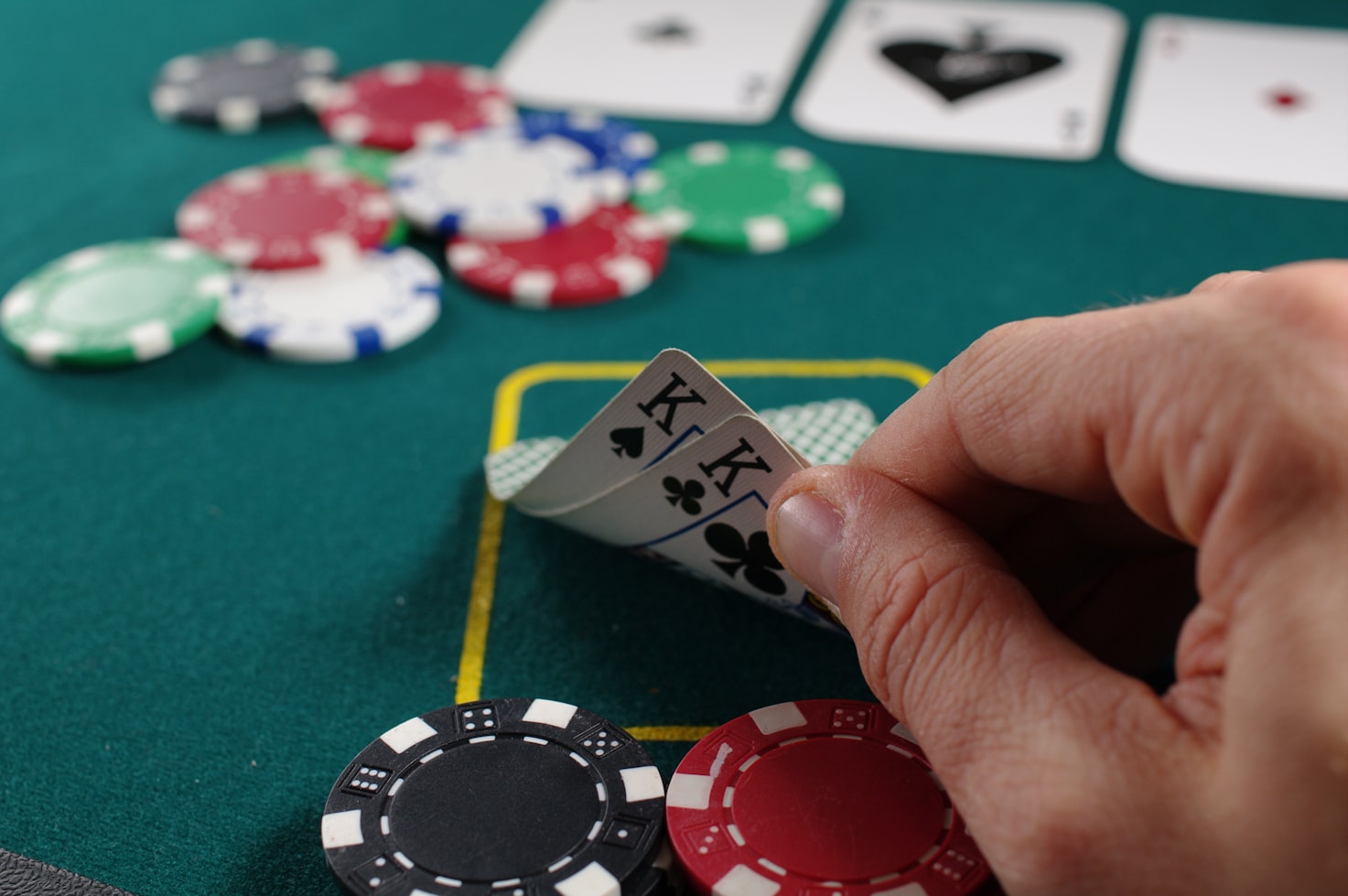
Another advantage of online gambling is the accessibility it provides. Individuals can gamble from the comfort of their homes or on-the-go, making it easier to fit into a busy lifestyle. This convenience can lead to increased participation, but it also requires gamblers to exercise additional self-discipline. Online platforms often provide various tools, such as deposit limits and self-exclusion features, encouraging responsible gambling behavior.
Despite the growth of online gaming, traditional casinos continue to thrive, offering a social environment that many players cherish. The experience of engaging with live dealers and fellow enthusiasts is something that online platforms cannot replicate entirely. As technology evolves, the lines between online and traditional gambling are likely to blur, offering a hybrid model that presents the best of both worlds. Balancing these options allows players to choose the gambling experience that aligns with their preferences and responsible gaming mindset.
Understanding Responsible Gambling
Responsible gambling is a concept that emphasizes the importance of maintaining control over one’s gambling habits. As the myths surrounding gambling unveil the complexities of this form of entertainment, understanding the principles of responsible gaming becomes crucial. Key elements of responsible gambling include setting limits, recognizing when to stop, and being aware of the signs of problem gambling. These practices empower individuals to enjoy gambling as a fun activity rather than a detrimental habit.
Education plays a fundamental role in promoting responsible gambling. Players should familiarize themselves with the rules and odds of the games they wish to engage in, ensuring they have realistic expectations. Moreover, establishing a budget before gambling can help mitigate financial risks. Casinos, both online and traditional, are increasingly adopting measures to promote responsible gambling, providing resources and support to players who may need assistance.
For individuals considering participation in gambling, it’s essential to approach it with a balanced perspective. Recognizing the enjoyment it can provide while implementing responsible practices can help foster a sustainable and enjoyable experience. Acknowledging the potential risks associated with gambling allows individuals to navigate the world of casinos more safely and responsibly, ensuring that it remains a source of entertainment rather than a cause of distress.